
The Summer as a Refuge
También esto pasaráBlanca's move to Cadaqués turns a familiar family landscape into a refuge that also forces her to confront what has changed.
increasing Bearing strength in each event
 decreasing
Bearing strength in each eventdecreasingThe House of Accumulated Life
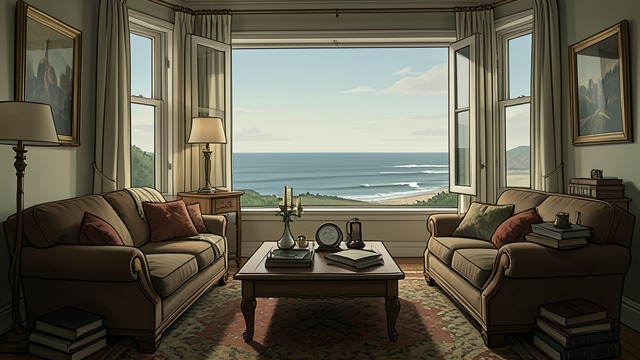
The House of Accumulated Life
A home as archive
Blanca wakes to a view of the sea and remembers generations of summers: meals, visitors, boat trips, early romances, children, and departures. The house seems to contain a whole family history in its ordinary objects and repeated rituals.
Memory's double edge
The familiar landscape briefly feels restorative, yet every detail also records decline: doors once left open have closed, her mother's world narrowed, and the house became inseparable from her illness. The refuge is already a place of mourning.
The Boat Without Its Owner

The Boat Without Its Owner
Ritual renewed
Guillem takes the group out on El Tururut, organizing the children and jokingly imitating Blanca's mother at the helm. The familiar boat ride revives the family's comic, affectionate habits.
Presence through imitation
Blanca can laugh at the performance, but the humor makes the absence more tangible: her mother loved these outings and can no longer lead them. The sea remains, while the person who made it feel like home is gone.
The Village's Summer Pulse
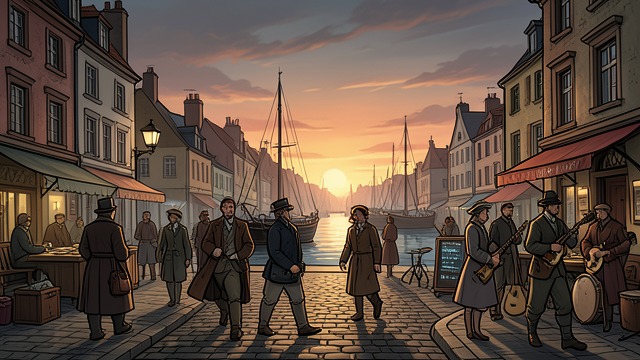
The Village's Summer Pulse
A remembered community
The village's streets, cafés, harbor, and evening music bring Blanca back into a social world shaped by childhood and youth. Familiar faces offer condolences without turning grief into a spectacle.
An imperfect refuge
The village cannot return her to the past, and its summer bustle sometimes leaves her feeling more alone. Yet the sea, light, and public life give her reasons to keep moving among people instead of retreating entirely.
The House Without Her
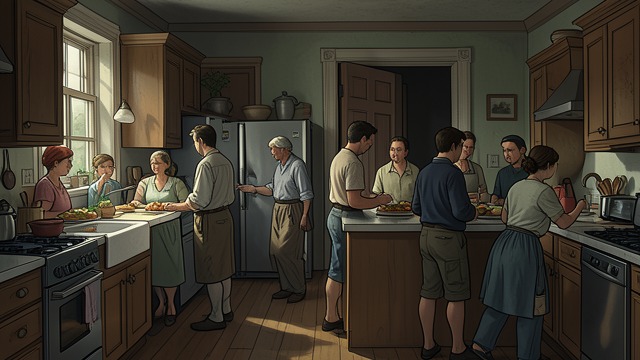
The House Without Her
A changed household
The house fills with children, former partners, friends, food, and noise. Their makeshift community turns the summer residence into a lively shared home rather than a monument to the dead.
An empty room remains
Blanca still cannot enter her mother's bedroom, where the old authority and intimacy seem suspended. The house protects her through company but cannot erase the room that marks the limit of her return.
A New Resident
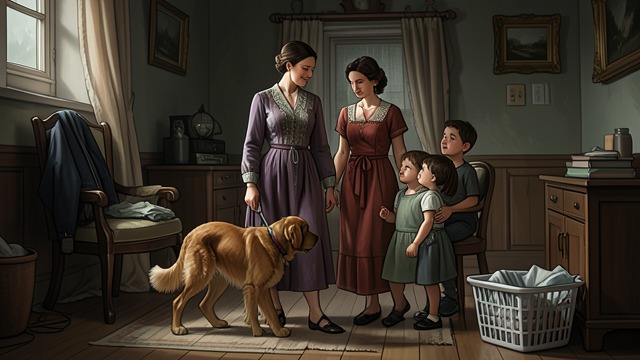
A New Resident
Loss becomes care
Blanca eventually brings Rey into her household, giving an abandoned old dog a home and asking her children to share responsibility for walking him. The choice joins the summer encounter with a continuing act of care.
The house changes again
She also sends her mother's jacket to the cleaners, allowing it to be handled rather than preserved untouched. Neither gesture replaces the dead; both show Blanca beginning to make room for life inside the inheritance of loss.
The first early morning in Cadaqués
The first boat outing after Blanca arrives
During the first days in Cadaqués
After Blanca's friends and former husbands gather at the house
In the epilogue, after Blanca returns to Barcelona
